
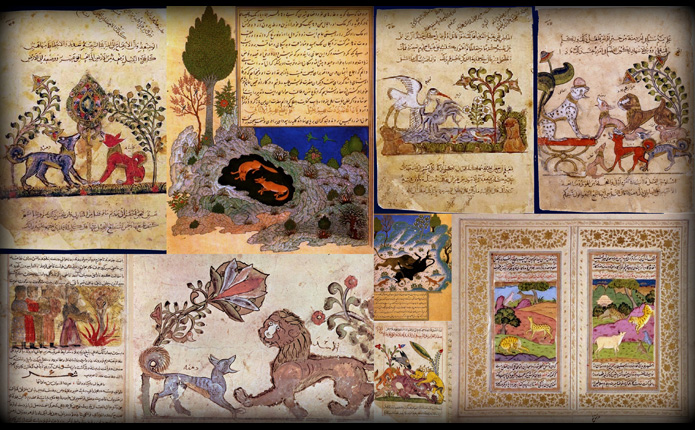
Kalīla wa Dimna: Ancient Fables with Enduring Moral Lessons
 @admin
Few works of world literature have traveled as far or taught as timelessly as Kalīla wa Dimna. Originating in ancient India as the Pañcatantra, this collection of animal fables was translated into Pahlavi in the 6th century CE, then into Arabic by Ibn al‑Muqaffaʿ in the 8th century, and from there …
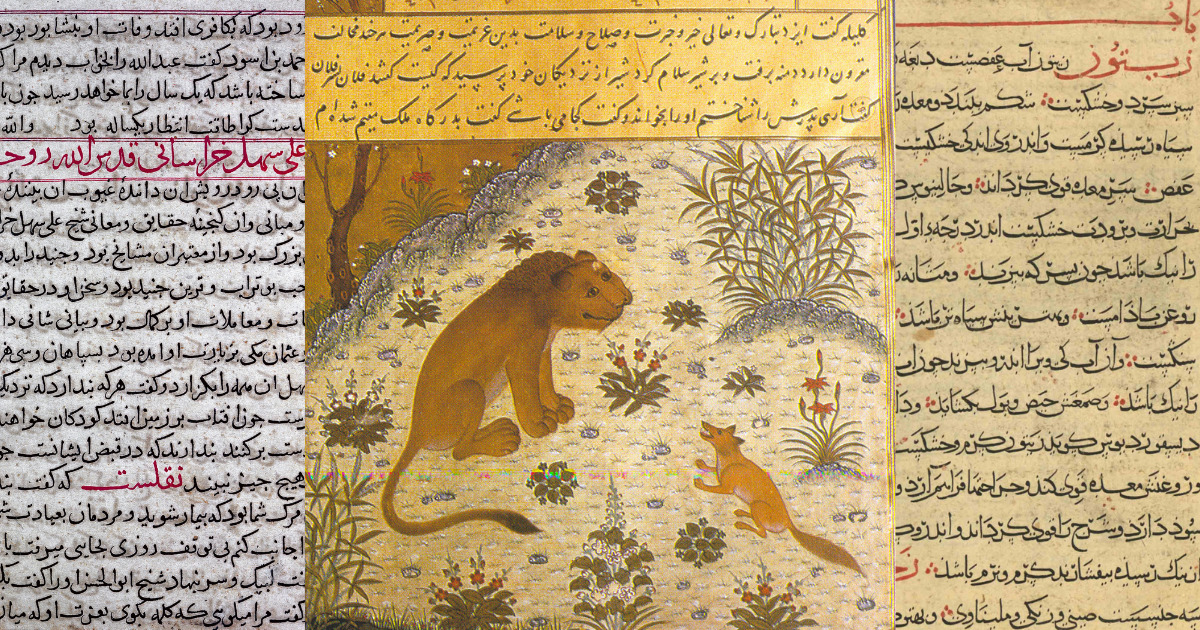
Beyond Poetry: An Introduction to Classical Persian Prose
While Persian poetry often takes center stage in discussions of Iran’s literary heritage, classical Persian prose boasts its own golden lineage of wisdom, storytelling, and rhetorical mastery. From royal manuals to saintly biographies, moral parables to picaresque adventures, these prose works shaped not only the Persian language but the very …
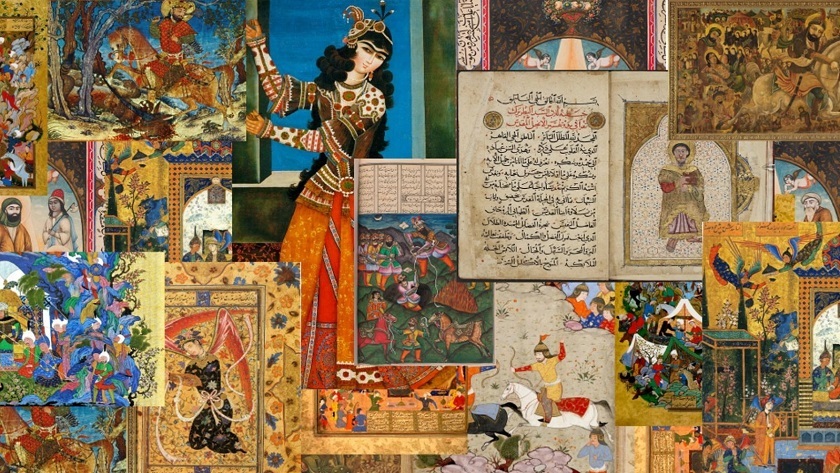
The Constitutional Revolution (Early 20th C.): Persian Literature Finds a New Voice
At the turn of the 20th century, Iran stood at a crossroads: centuries‑old traditions met the tides of modernity, and the Persian Constitutional Revolution (1905–1911) upended politics, society—and the very shape of Persian literature. No longer confined to royal courts and mystical retreats, writers and poets seized the moment to …
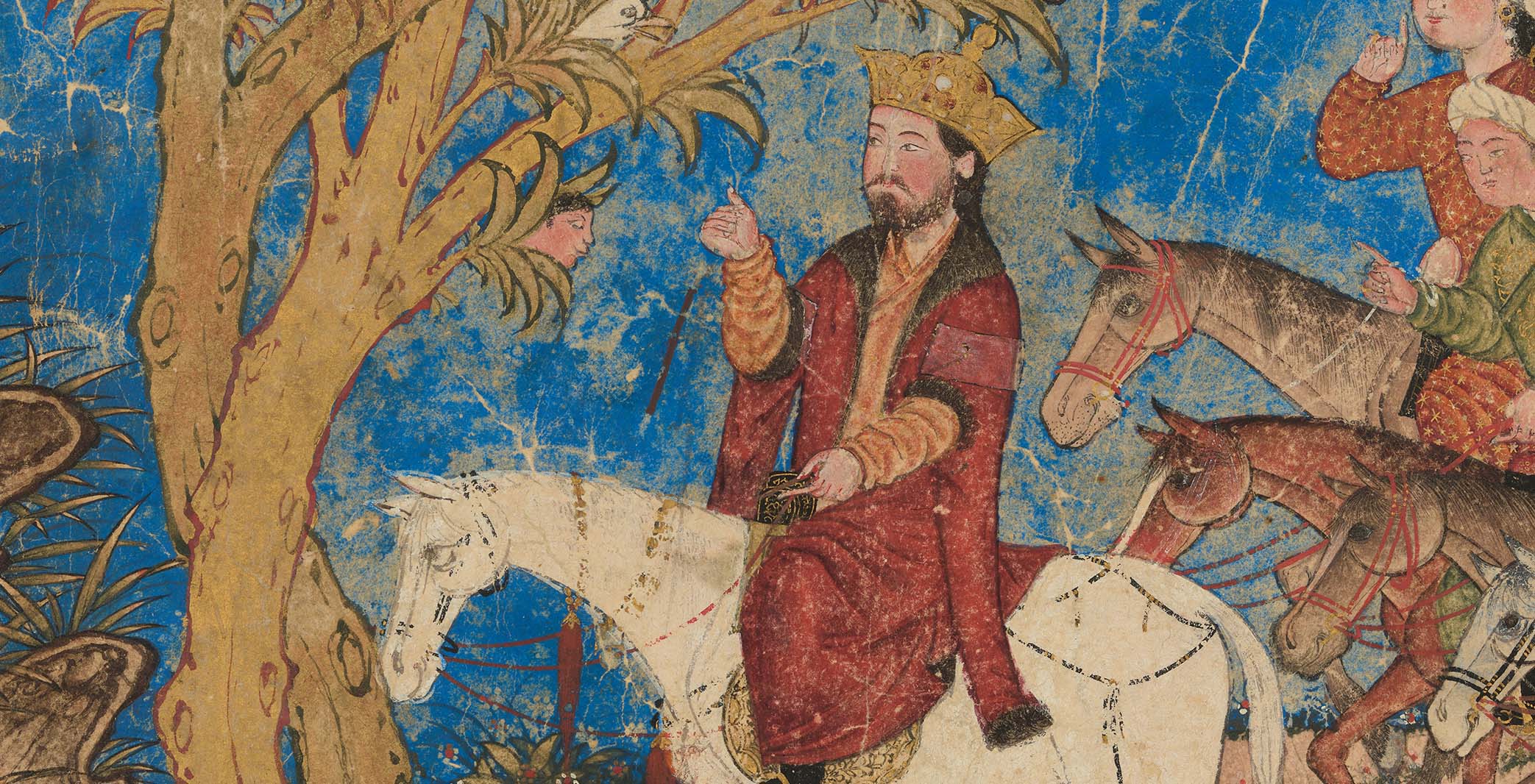
Literary Flourishing Under Turmoil: Persian Poetry During the Mongol & Timurid Eras
The centuries following the mid‑13th century Mongol invasions were among the most turbulent in Iranian history—yet paradoxically they also saw some of the richest outpourings of Persian poetry. From the shattered courts of the Ilkhanid khans to the glittering academies of Timurid Herat, poets found both patronage and profound inspiration …

From Oral Tales to Written Epics: The Roots of Persian Literature
Long before ink met paper in the courts of Shiraz and Herat, the land we now know as Iran thrummed with storytellers—wandering minstrels, priestly reciters, and village elders—passing down myths, histories, and wisdom by word of mouth. These oral traditions formed the living bedrock upon which the great written epics …
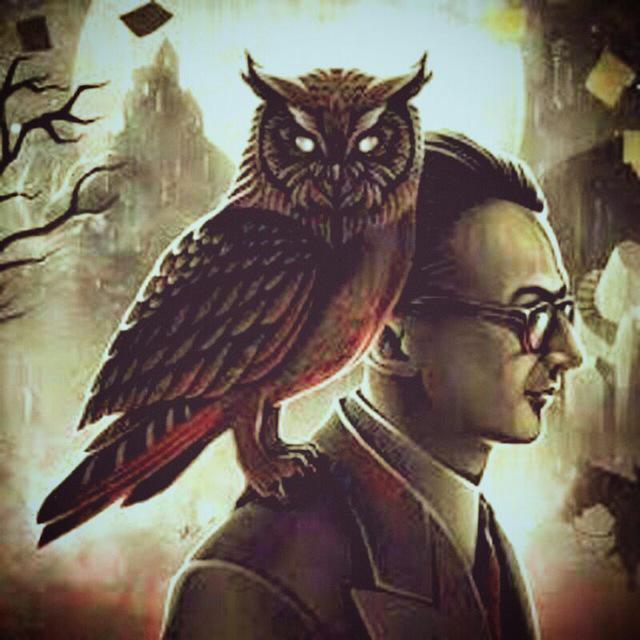
Sadegh Hedayat and The Blind Owl: Introducing Persian Modernism
Sadegh Hedayat’s The Blind Owl (Boof-e koor), first published in 1937, stands as the watershed moment when Persian literature entered the modernist era. In a literary landscape still dominated by classical forms and romantic tropes, Hedayat’s unsettling novella charted a new territory of psychological depth, existential anguish, and …
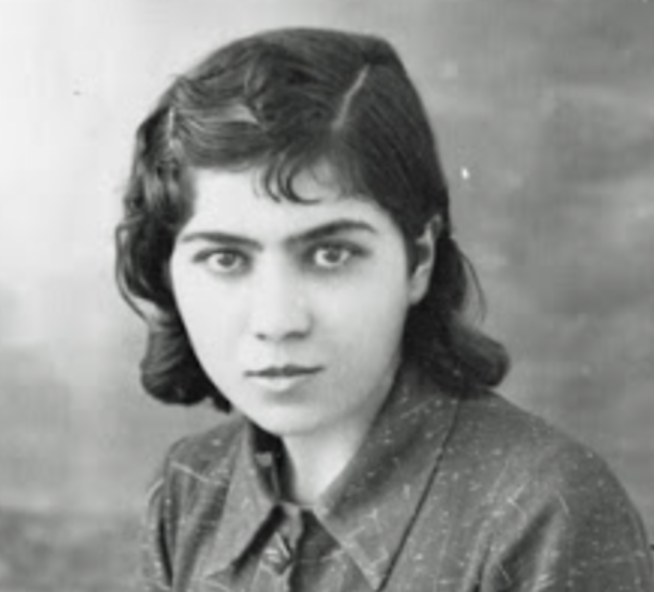
Parvin Eʿtesami: A Pioneering Female Voice in 20th‑Century Persian Poetry
As one of the earliest—and certainly the most celebrated—female poets in modern Iran, Parvin Eʿtesami (1907–1941) opened doors for generations of women writers. In a literary world dominated by male voices, she forged a unique path: reviving classical forms to address contemporary social ills, gender dynamics, and ethical dilemmas with …
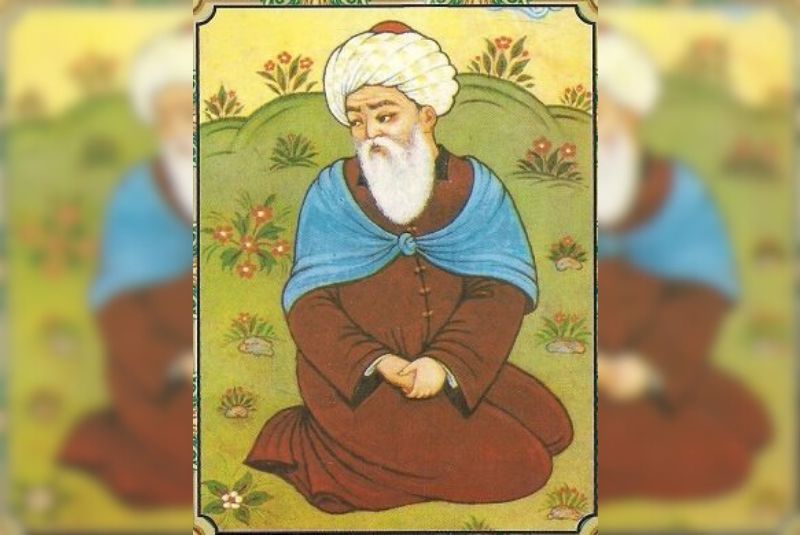
Jami: The Last Great Classical Poet of Persia
In the panorama of Persian literature, few figures stand as tall—or as gracefully—as Nur ad‑Dīn Abd ar‑Raḥmān Jāmī (1414–1492 CE). Celebrated as the “Last Great Classical Poet of Persia,” Jami’s prodigious output spanned mystical epics, prose treatises, devotional odes, and pithy quatrains. His work represents the culmination of centuries of …