
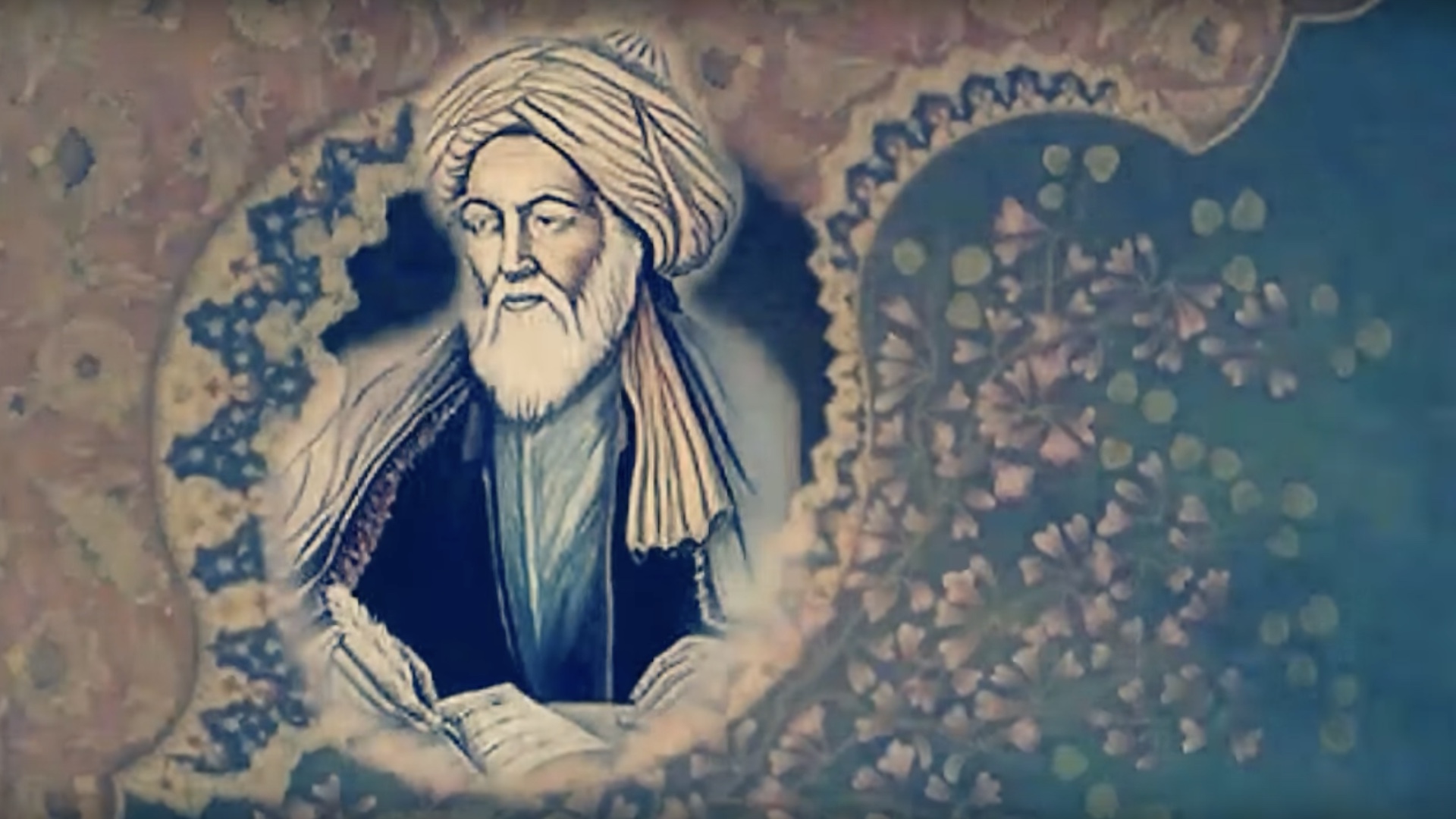
Sanai: The Pioneer of Mystical Persian Poetry Before Rumi
 @admin
Long before Rumi’s soaring verses filled the courts and khanqahs of medieval Persia, another poet quietly forged the language of Sufi mysticism into lyrical form. Abū al-Majd Majdūd ibn Ādam Sanāʾī Ghaznawī (c. 1080–1131 CE)—known simply as Sanai—laid the groundwork for the great spiritual epics that followed, weaving philosophy, …
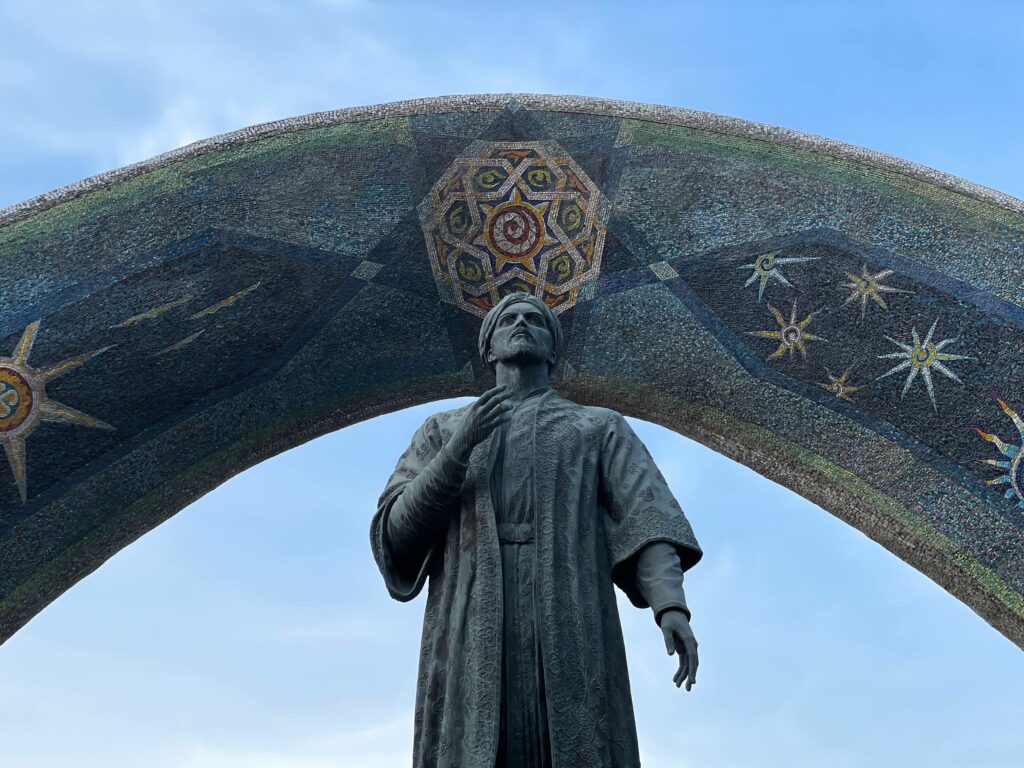
Rudaki: The “Father of Persian Poetry” and the Samanid Renaissance
In the milieu of 9th‑ and 10th‑century Greater Iran, a cultural flowering known as the Samanid Renaissance laid the groundwork for the classical Persian literary tradition. At its heart stood Abu Abd Allah Ja‘far ibn Muhammad Rudaki (c. 858–940 CE), a poet whose mastery of New Persian verse earned him the title …
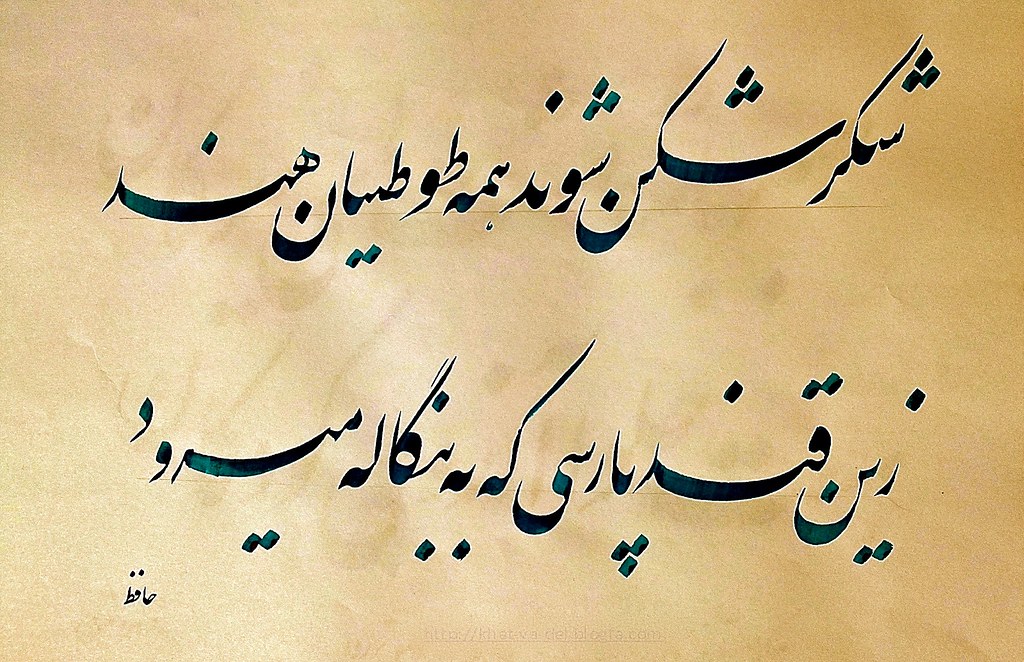
Paradox and Playfulness: Rhetorical Devices That Enrich Persian Verse
Persian poetry is a garden where logic dances with mystery, where clarity meets ambiguity, and where the line between the sacred and the sensual is beautifully blurred. Beyond the lush imagery and musical rhythms, one of the most captivating aspects of Persian verse is its use of rhetorical devices—especially …

Sound and Sense: Appreciating the Musicality of Persian Poetry (Even in Translation)
Persian poetry has long been admired for its profound meanings, rich metaphors, and spiritual depth. But equally enchanting—and sometimes less discussed—is its music. Persian verse is not just a vehicle for meaning; it is an instrument of sound. The beauty of rhythm, rhyme, repetition, and sonic harmony is a …
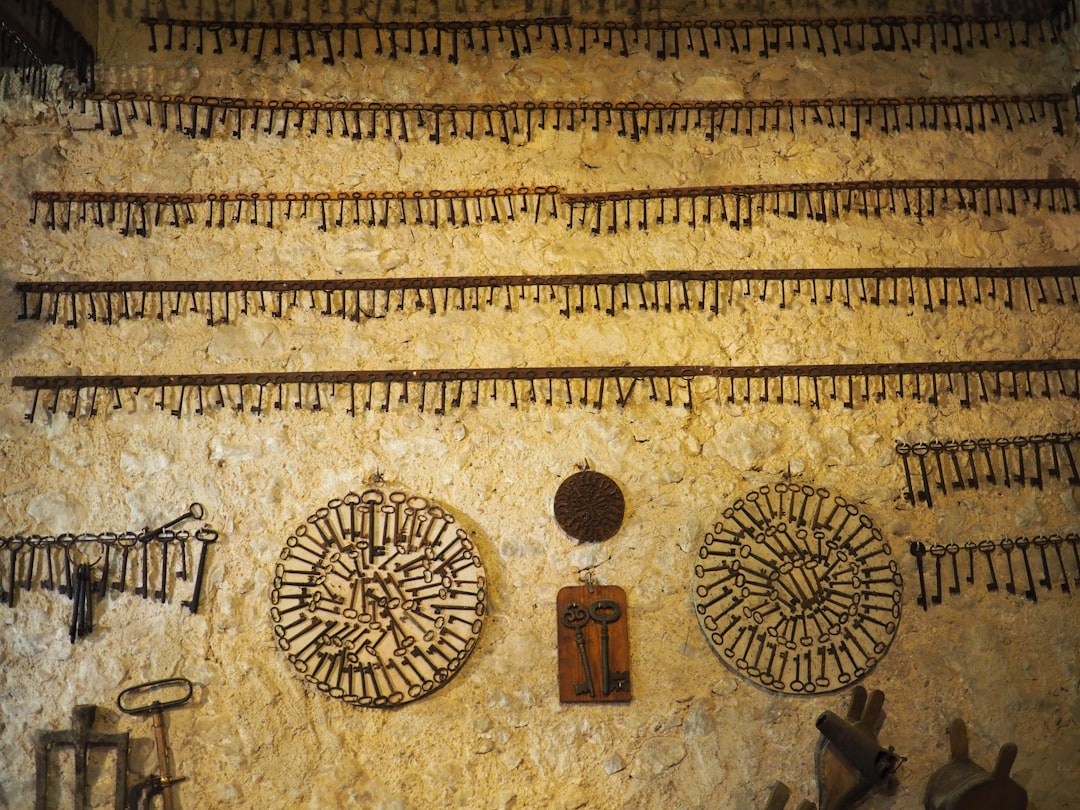
Metaphor and Allegory: The Keys to Unlocking Persian Poetic Meaning
Persian poetry is often likened to a lush garden—rich, layered, and full of hidden paths. But to navigate this literary landscape, one needs more than a surface understanding of the words. The true treasures of Persian verse lie beneath the literal, revealed only through the twin keys of metaphor and …

The Power of the Quatrain: The Enduring Appeal of the Rubā‘ī
Among the many poetic forms in Persian literature, few are as concise and yet as profoundly expressive as the rubā‘ī (plural: rubā‘iyyāt). In just four lines, the rubā‘ī distills deep reflections on life, love, time, and existence—often packing the weight of a philosophical treatise into the space of …

The Qasida: Understanding the Ode of Praise in Court Poetry
In the glittering courts of kings and sultans, where eloquence was as prized as power, the qasida (or qaṣīda) reigned as one of the most prestigious forms of classical Persian and Arabic poetry. With roots deep in pre-Islamic Arabia and a flourishing legacy in Persian literary tradition, the qasida …

The Masnavi Form: How Rhyming Couplets Tell Epic and Mystical Tales
In the rich tradition of Persian literature, the masnavi (also spelled mathnawi) stands as one of the most versatile and beloved poetic forms. Often used to narrate epics, romances, moral tales, and mystical teachings, the masnavi weaves together rhyming couplets into a flowing tapestry of thought and emotion. From …