

Speaking Truth to Power: Justice, Kingship, and Critique in Persian Texts
 @admin
From the grand epics of the Sasanian throne to the sly couplets of medieval mystics, Persian literature has long held up a mirror to authority—insisting that rulers wield power in service of justice, and reminding the mighty that tyranny unmaskes itself in cruelty. Whether through direct counsel or allegorical parable, …

The Mystical Path: How Sufism Shaped Centuries of Persian Literature
From the earliest mystical whispers in the simple quatrains of 9th‑century ascetics to the luminous verses of Rūmī and Hāfez, Sufism has been the beating heart of Persian letters. More than a spiritual discipline, Sufism offered a rich symbolic vocabulary, narrative frameworks, and ethical ideals that Persian writers wove into …
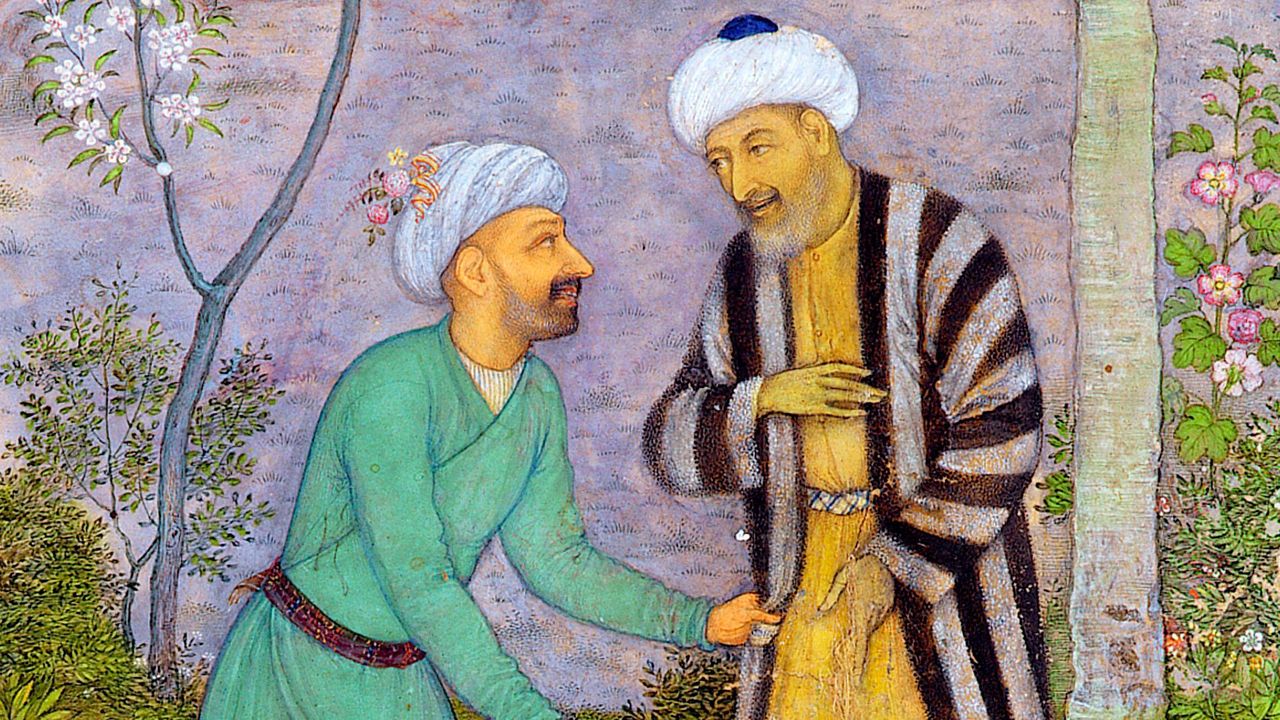
Divine vs. Earthly Love: The Central Theme of Persian Poetry
From the pre‑Islamic odes to the ecstatic verses of Sufi mystics, Persian poetry has long revolved around a single, sweeping tension: the pull between earthly love (ʿishq‑e majāzī) and divine love (ʿishq‑e ḥaqīqī). Whether celebrating the beauty of a beloved’s face or yearning for union with the Unseen Beloved, Persian …
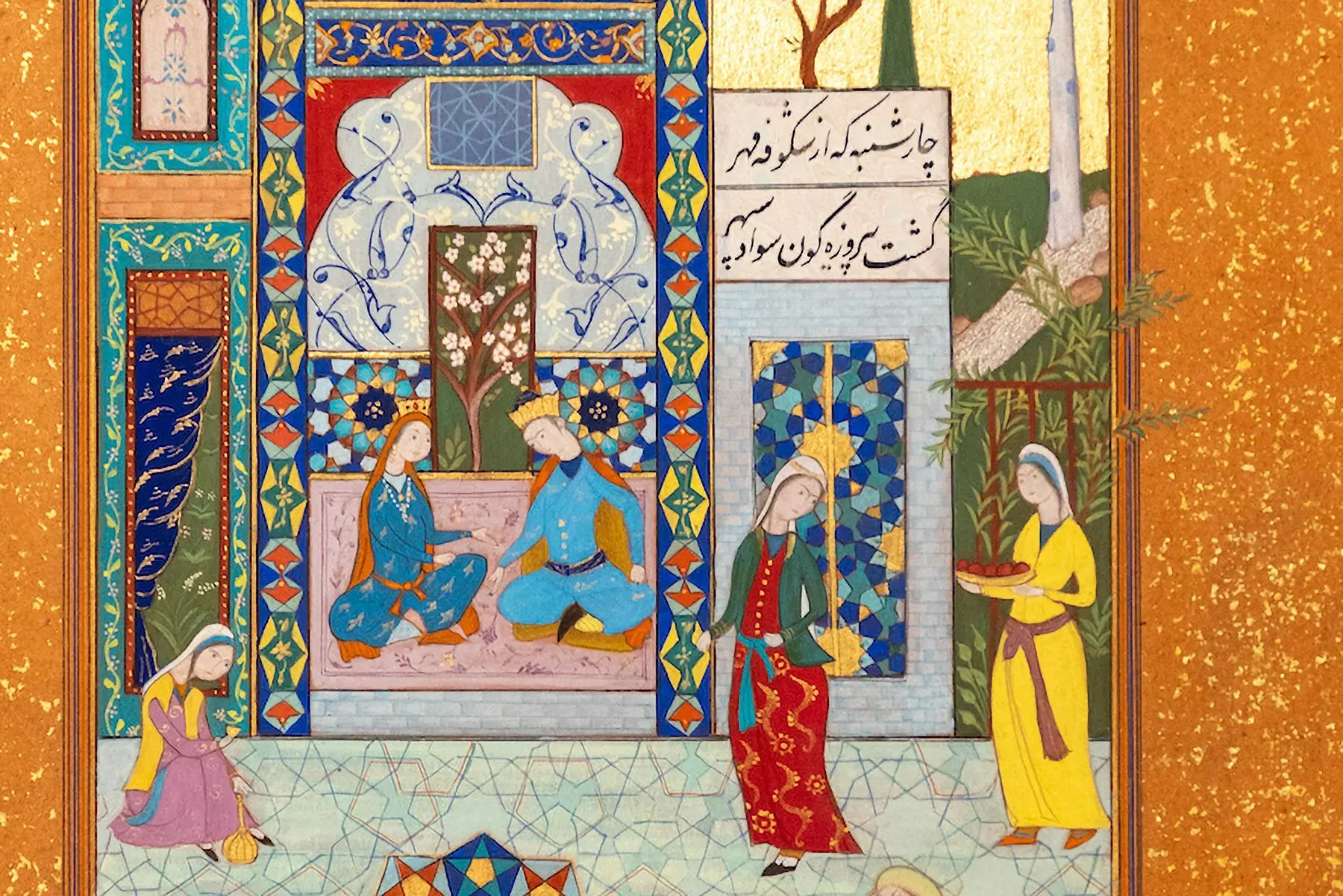
Nizami’s Haft Paykar (“Seven Beauties”): Love, Morality, and the Art of Storytelling
Lasting beyond its 12th‑century origins, Nizami Ganjavi’s Haft Paykar (“Seven Beauties”) stands as a jewel of Persian romance—an exquisite fusion of poetic elegance, moral reflection, and narrative ingenuity. Part of his famed Khamsa (Quintet), this work weaves the story of King Bahram Gur’s seven‑day sojourn through pavilions of different colors, each hosted …
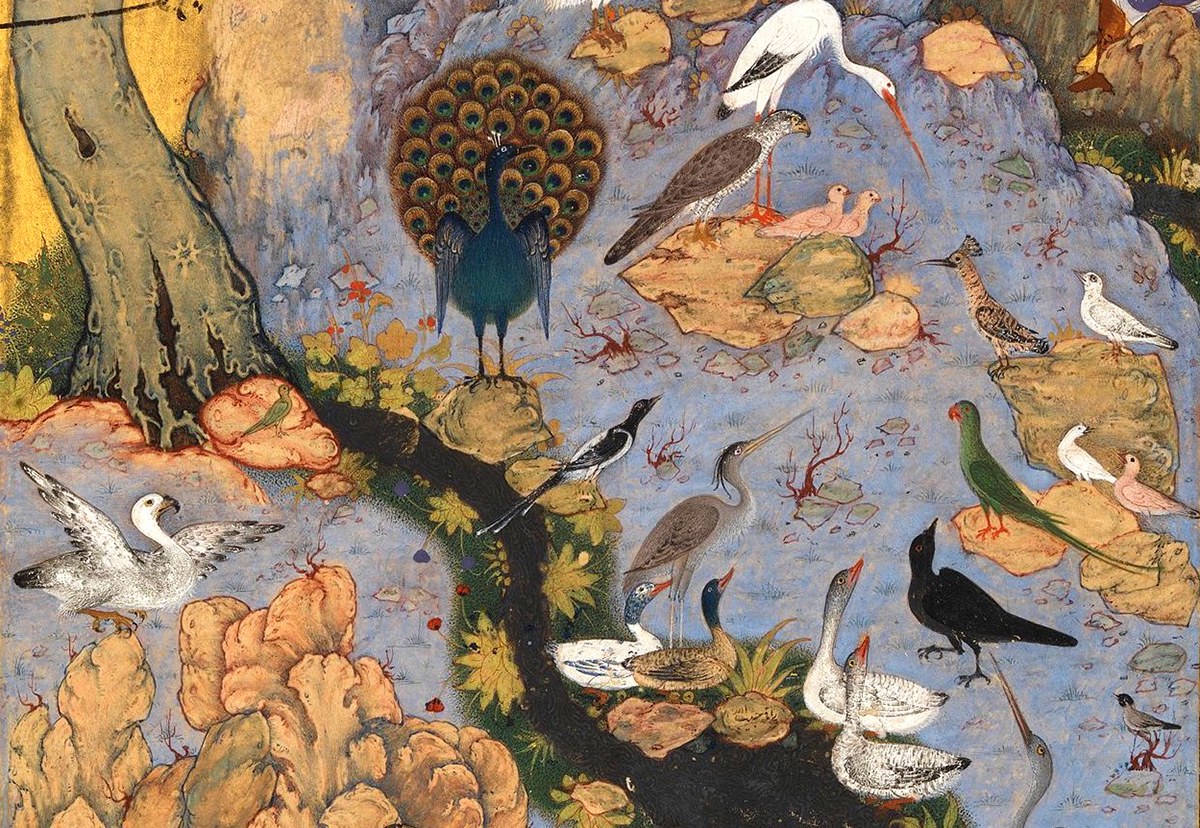
The Birds’ Quest: Allegory and the Soul’s Journey in Attar’s Conference of the Birds
In the heart of Persian Sufi poetry shines Farīd ud-Dīn ʿAṭṭār’s Mantiq al-Ṭayr (The Conference of the Birds), a 12th‑century masterpiece that uses the simple metaphor of a flock of birds to map the soul’s arduous path to Divine Union. With vivid storytelling, unforgettable allegory, and profound spiritual insight, Attar …

The Many Faces of Omar Khayyam’s Rubaiyat: Pleasure, Philosophy, or Mysticism?
Omar Khayyam (1048–1131 CE)—celebrated Persian mathematician, astronomer, and poet—crafted quatrains (rubaʿiyyāt) that have entranced readers for centuries. While relatively obscure in the Eastern literary canon until Western translations surfaced in the 19th century, Khayyam’s Rubaiyat has since inspired fervent debate: Is it a hedonistic call to seize the day? A …
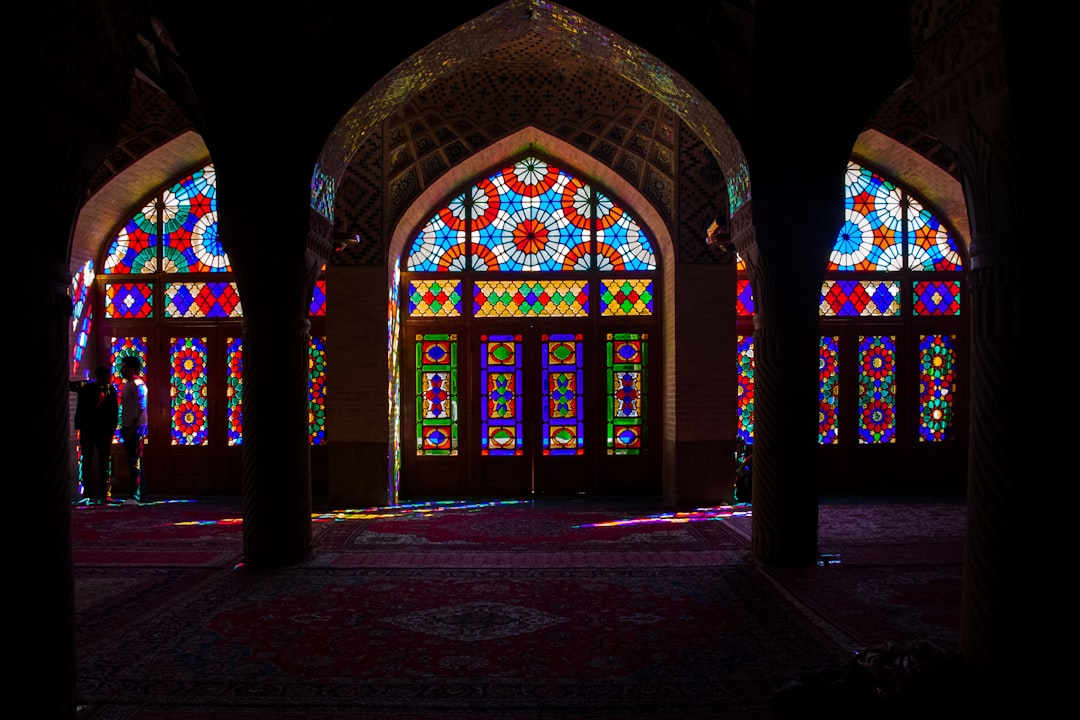
Exploring Saadi’s Bustan (The Orchard): Ethical Reflections in Verse
Saadi of Shiraz’s Bustan (“The Orchard”), completed in 1257 CE, is a lyrical companion to his celebrated Golestan. Entirely composed in poetic masnavi (rhyming couplets), this work delves deeply into moral philosophy, offering moral exhortations and spiritual guidance on topics such as justice, generosity, love, and repentance. Through vivid imagery and pithy stories, …
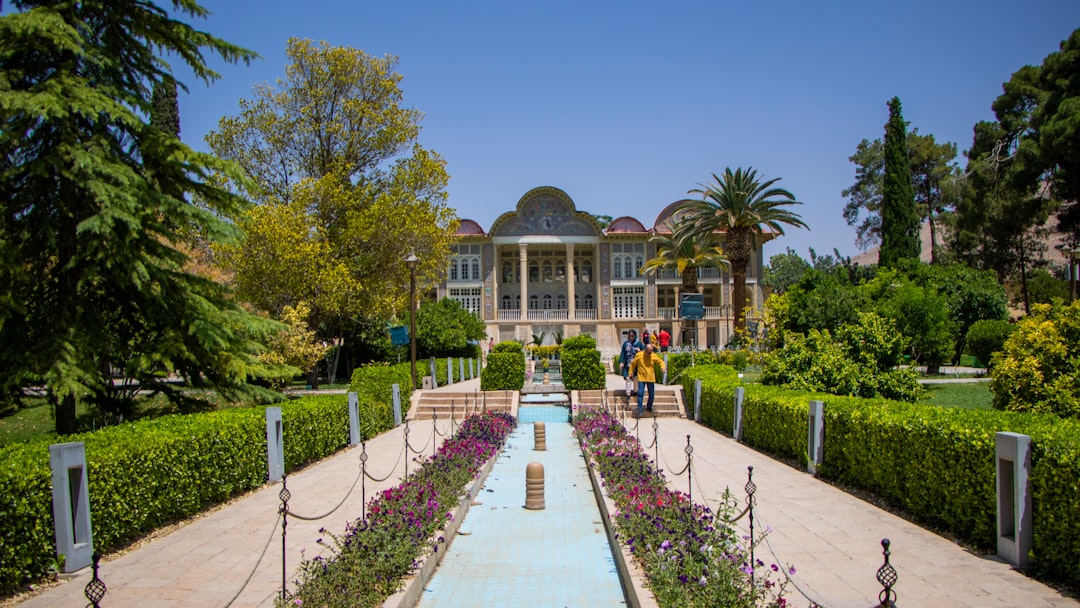
Saadi’s Golestan (The Rose Garden): Practical Wisdom Through Prose and Poetry
Saadi of Shiraz (c. 1210–1291) crafted Golestan (The Rose Garden) around 1258 CE as a masterful blend of prose and verse, delivering timeless moral observations, social commentary, and practical advice. Structured into eight chapters, Golestan offers a feast of anecdotes, aphorisms, and poetic quatrains that illuminate the virtues and vices …