

Anatomy of a Ghazal: Exploring Its Structure, Rhyme, and Mood
 @admin
The ghazal is one of the most beloved and enduring poetic forms in Persian literature—a compact, lyrical form that has enchanted readers and listeners for centuries. Woven from sorrow and longing, love and mysticism, it’s a poetic vessel that captures the human soul in just a few short verses.
Though …
Journeys of Transformation: Physical and Spiritual Quests in Narrative Poetry
From deserts to mountains, kings’ courts to dervish lodges, Persian narrative poetry is filled with epic journeys that are more than mere travels from one place to another. These are odysseys of transformation—where heroes, lovers, seekers, and sages embark on physical paths that mirror their inner evolution. In these works, …
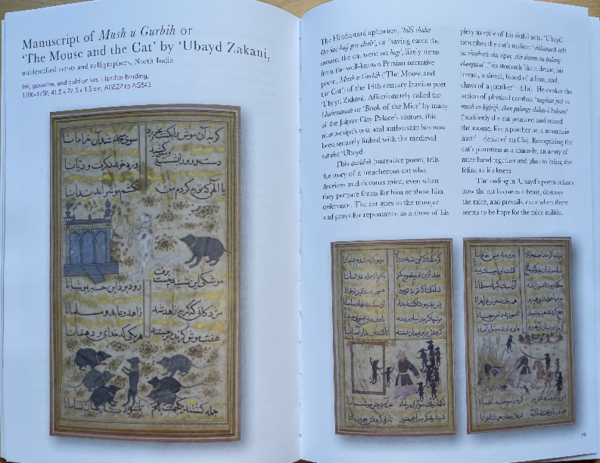
Satire and Social Commentary: From Obayd Zakani to Modern Writers
Persian literature, renowned for its lyricism, mysticism, and philosophical depth, also boasts a long and rich tradition of satire—a genre used not only to entertain but to challenge hypocrisy, criticize injustice, and provoke thought. From the biting wit of Obayd Zakani in the 14th century to the works of modern …
Life, Death, and Time: Contemplating Mortality in Persian Poetry
Persian poetry, rich with mysticism, beauty, and philosophical insight, has long served as a mirror reflecting the deepest truths of human existence. Among its most enduring and haunting themes are life, death, and the relentless passage of time. From the epics of Ferdowsi to the melancholic quatrains of Khayyam, Persian …
The Search for Wisdom: Didactic Themes in Persian Literature
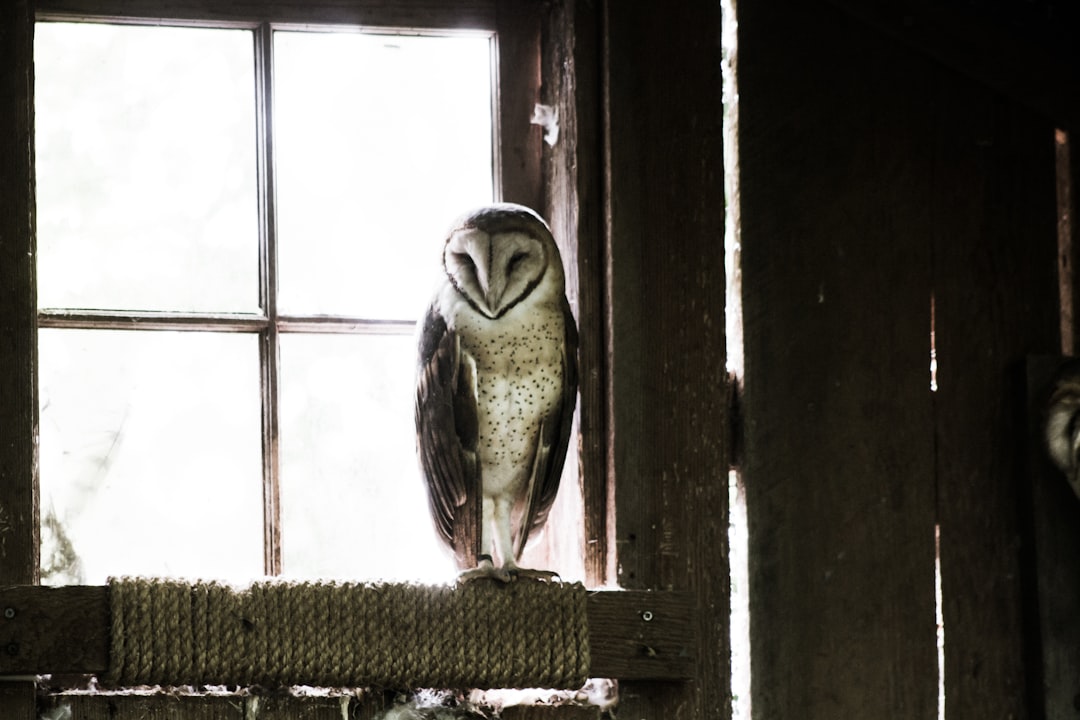
Across more than a millennium, Persian writers have labored under one shared calling: to illuminate the path of ethical living and self‑knowledge. From royal manuals to moral parables, epic poems to lyrical quatrains, didacticism—the art of teaching through story and aphorism—has shaped the very soul of Persian letters. Let’s explore …

Nature’s Mirror: The Role of Gardens, Birds, and Seasons in Persian Verse
From the verdant courtyards of Shiraz to the whispering reeds by the Tigris, Persian poets have long turned to nature as both setting and symbol. Gardens, birds, and the passing seasons become more than mere backdrop—they are living mirrors of the soul’s joys, longings, and transformations. In this post, we’ll …
Wine, Intoxication, and the Tavern: Unpacking Complex Symbols in Hafez and Khayyam
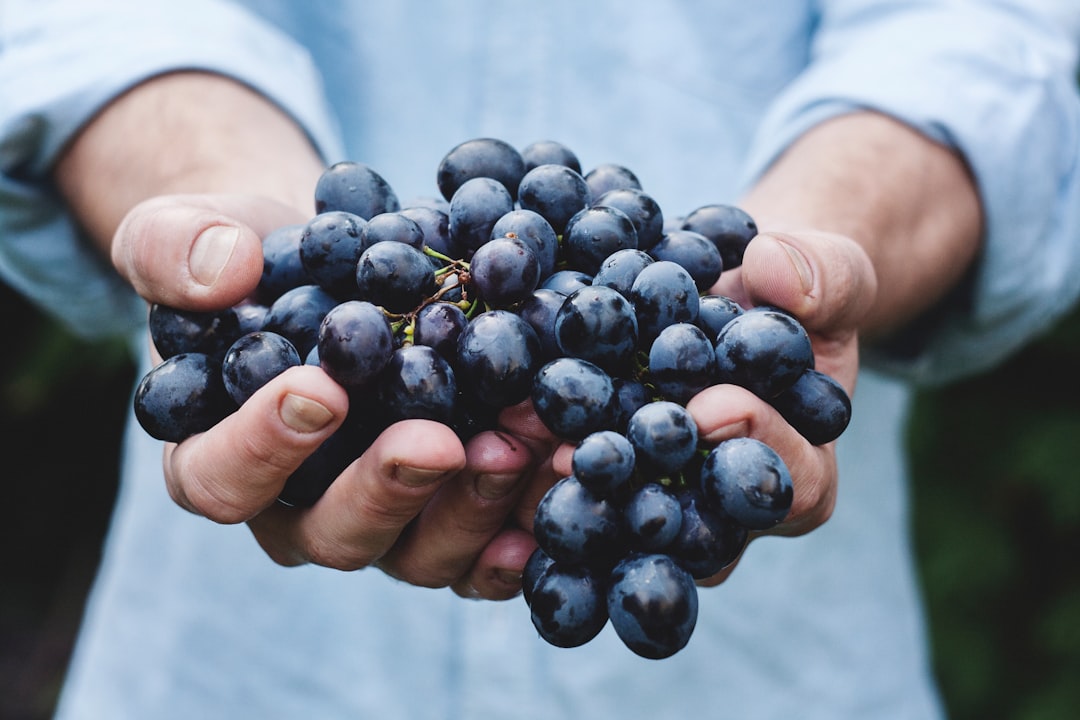
From the dusty caravanserais of medieval Persia to the salons of Victorian England and beyond, the image of wine, the ecstasy of intoxication, and the conviviality of the tavern have become enduring metaphors in Persian verse. Two masters of this tradition—Omar Khayyam and Hafez of Shiraz—employ these symbols in ways …

The Poet as Lover, the Divine as Beloved: Understanding Key Archetypes
In classical Persian poetry—and its later global echoes—the central relationship is often not between two mortals but between the poet as lover (ʿāshiq) and the Divine as beloved (maḥbūb). This archetypal pairing transforms every ghazal, masnavi, and quatrain into both a love poem and a mystical …